HOA governance software: what your board actually needs (and what most tools miss)
Most HOA software is built for property managers. Here's what boards run by volunteer homeowners actually need.
Case study: →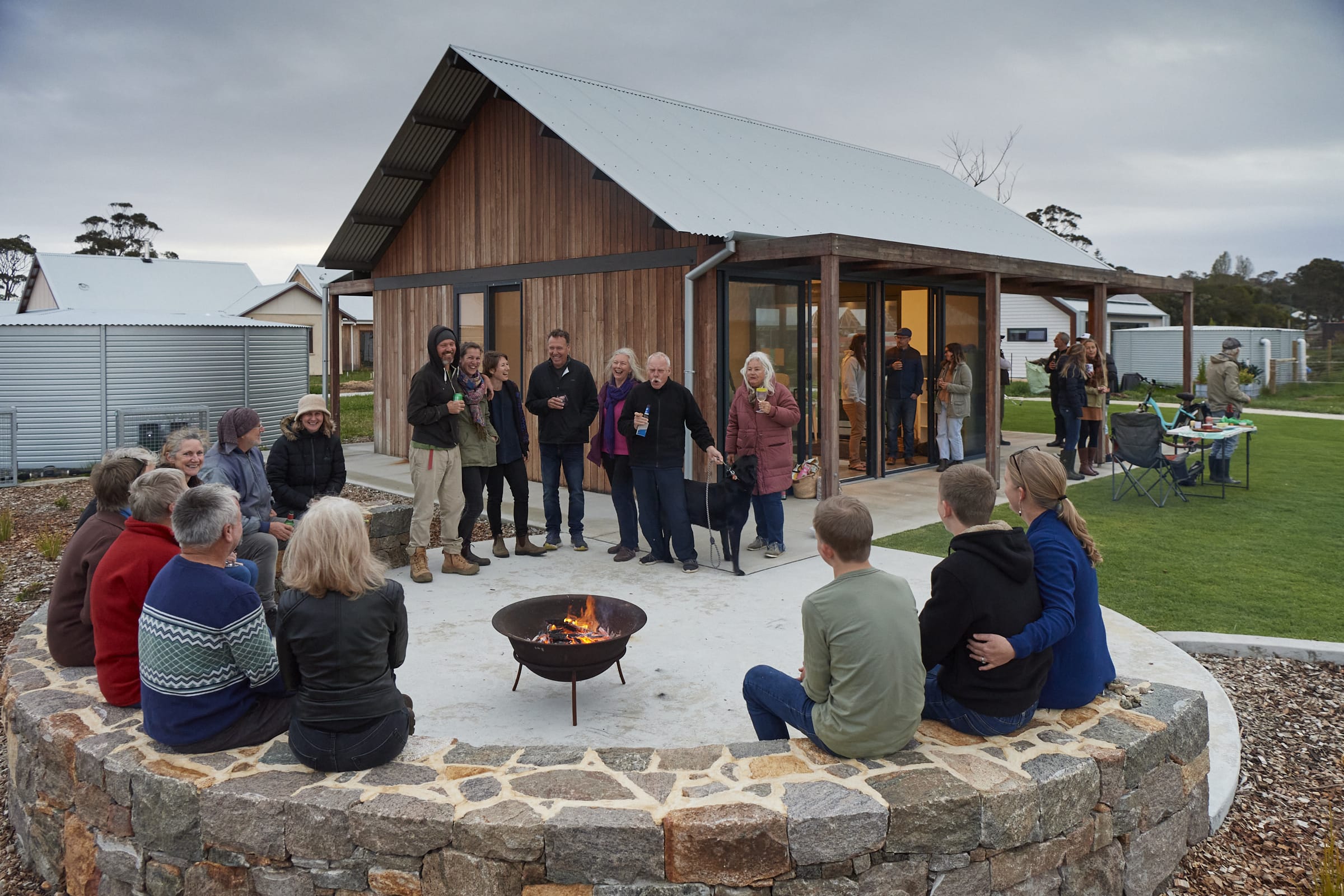
How a global nonprofit brought transparency to distributed decisions
150 people across three continents, restoring degraded land—and the decisions couldn't wait for the next meeting.
- Clear record of key decisions
- Structured input from distributed teams
- Multi-stage approvals across time zones
- Decisions separated from communication noise


Running a property co-op without ever meeting in person
130 people from 32 countries bought apartments together. Now they have to run a business, a community, and a building — democratically.
- Legally binding cooperative votes
- Full agency for distributed members
- Searchable governance discussion archive
- Member participation tracking
From traditional recruiter to self-managing organisation
A 60-year-old recruiting company threw out the org chart, gave every employee the same authority as the CEO, and scaled it to 450 people across three countries.
- Self-management scaled to 450 staff
- Decisions proposed, debated, documented centrally
- Equal voice regardless of seniority
- Transparent record of team decisions

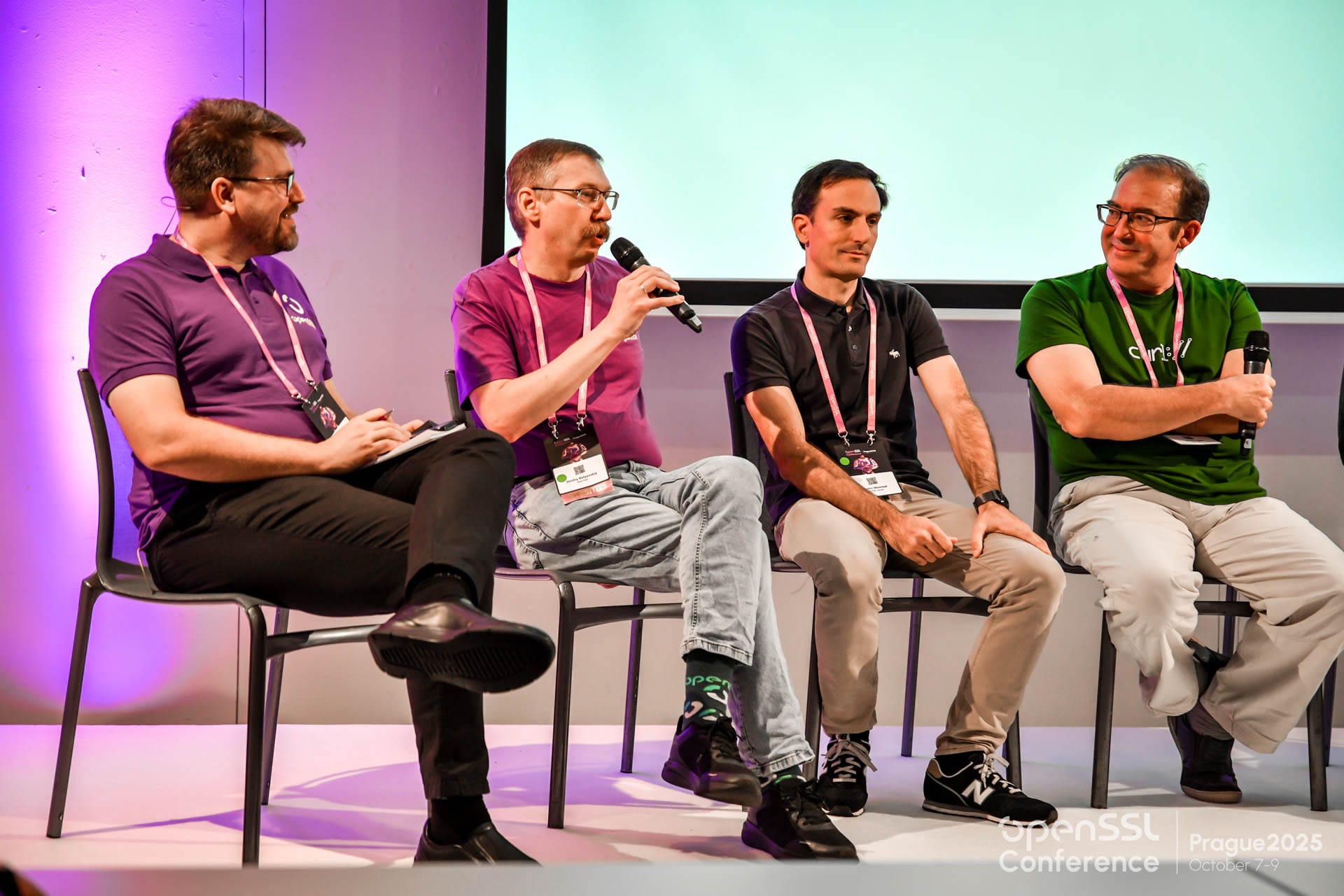
Governing the library that secures the Internet
When the whole internet depends on your library, you can't make decisions behind closed doors anymore.
- Multi-stakeholder community input
- Transparent archive of every decision
- Delegate voting balances power fairly
- Reach beyond your developer community
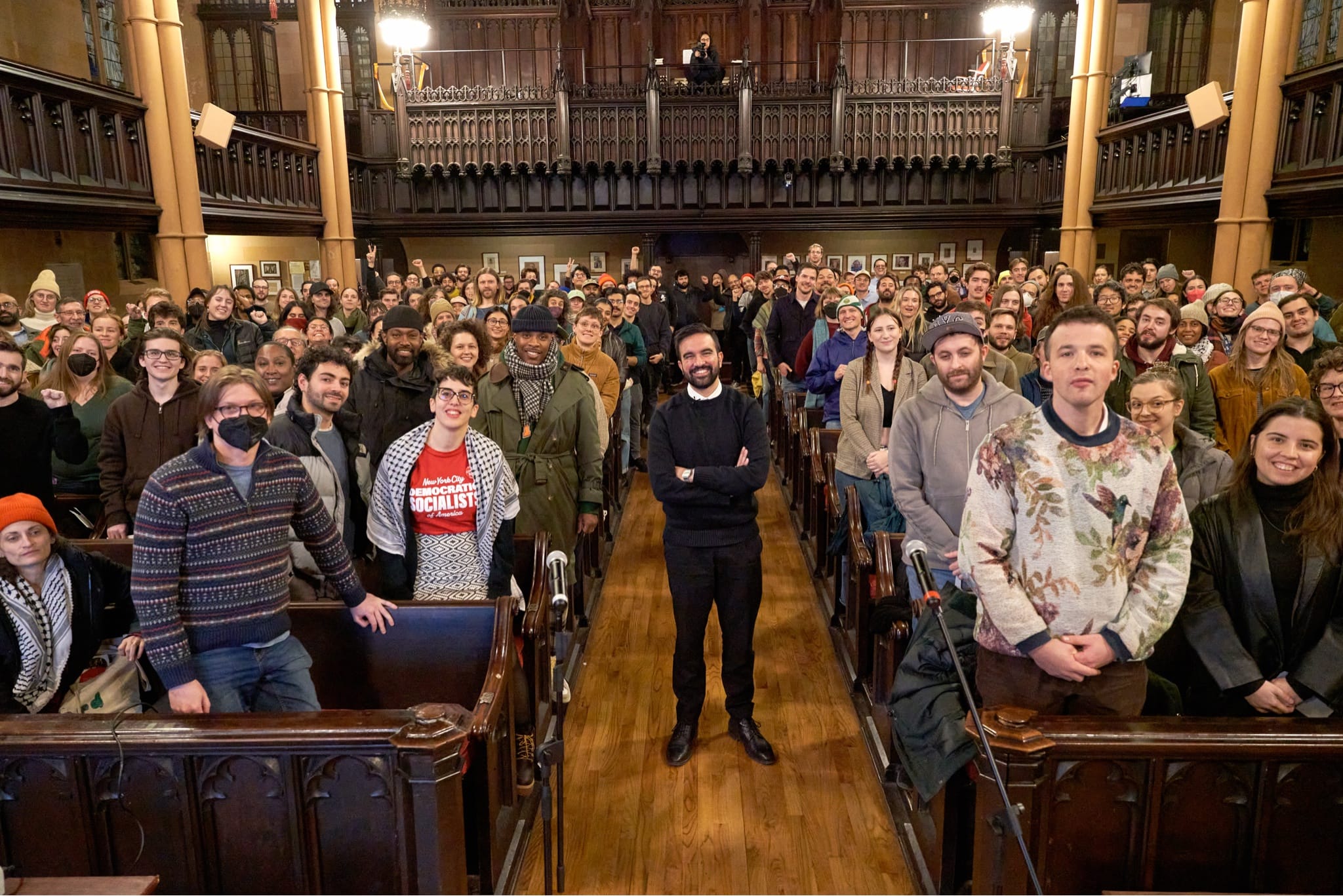
Making democracy work at campaign speed
Behind Zohran Mamdani's historic mayoral primary win was a decision-making system that coordinated 13,000 members with zero paid staff.
- Binding votes at scale
- Anonymous member voting
- Clear record of every decision
- Full data control via self-hosting
Building blockchain without bosses
Twenty-eight developers spun out of the Ethereum Foundation with no hierarchy, no executives, and a rule that every decision must have everyone's consent.
- Consent-based distributed decisions
- Legally binding governance decisions
- Every voice heard across time zones
- Official record of decision rationale
A model to distribute mutual aid
An experimental reparations-based fund redistributed over $20,000 to members using cooperative decision-making on Loomio.
- Cooperative fund redistribution
- Democratic proposal voting
- Transparent decision archive
- Member-driven governance

An ecovillage replaces strata management with democracy
100 households in wine country — growing to 350 — ditched conventional strata management to govern themselves, and they're building the playbook as they go.
- Decisions across neighbourhood clusters
- Transparent community decision archive
- Equal say for all residents
- Self-governance replacing strata management
Consent-based decisions at an Argentine consultancy
What happens when 80 developers collectively set everyone's salary — and a single objection can block any decision?
- Transparent team salary-setting
- Searchable decision history and reasoning
- Routine decisions resolved asynchronously
- Equal say through consent process


How a self-managed team makes decisions
As the team grew past 20, the old way of deciding things stopped working.
- Consent-based distributed decisions
- Full transparency through documentation
- Templates for recurring processes
- Async strategic and financial alignment

Conservation governance at a global scale
240 participants from 70 countries, speaking dozens of languages, need to reach consensus — and they've never once had to fall back to a vote.
- General Assembly across 70 countries
- Inclusion across all time zones
- Async consensus around live meetings
- Automatic multilingual translation
A recruitment company's self-management operating system
450 staff, three countries, no positional authority — how does a self-managing company actually make decisions at that scale?
- Self-management scaled to 450 staff
- Decisions across countries and time zones
- Daily distributed decisions at scale
- Transparent record of team decisions

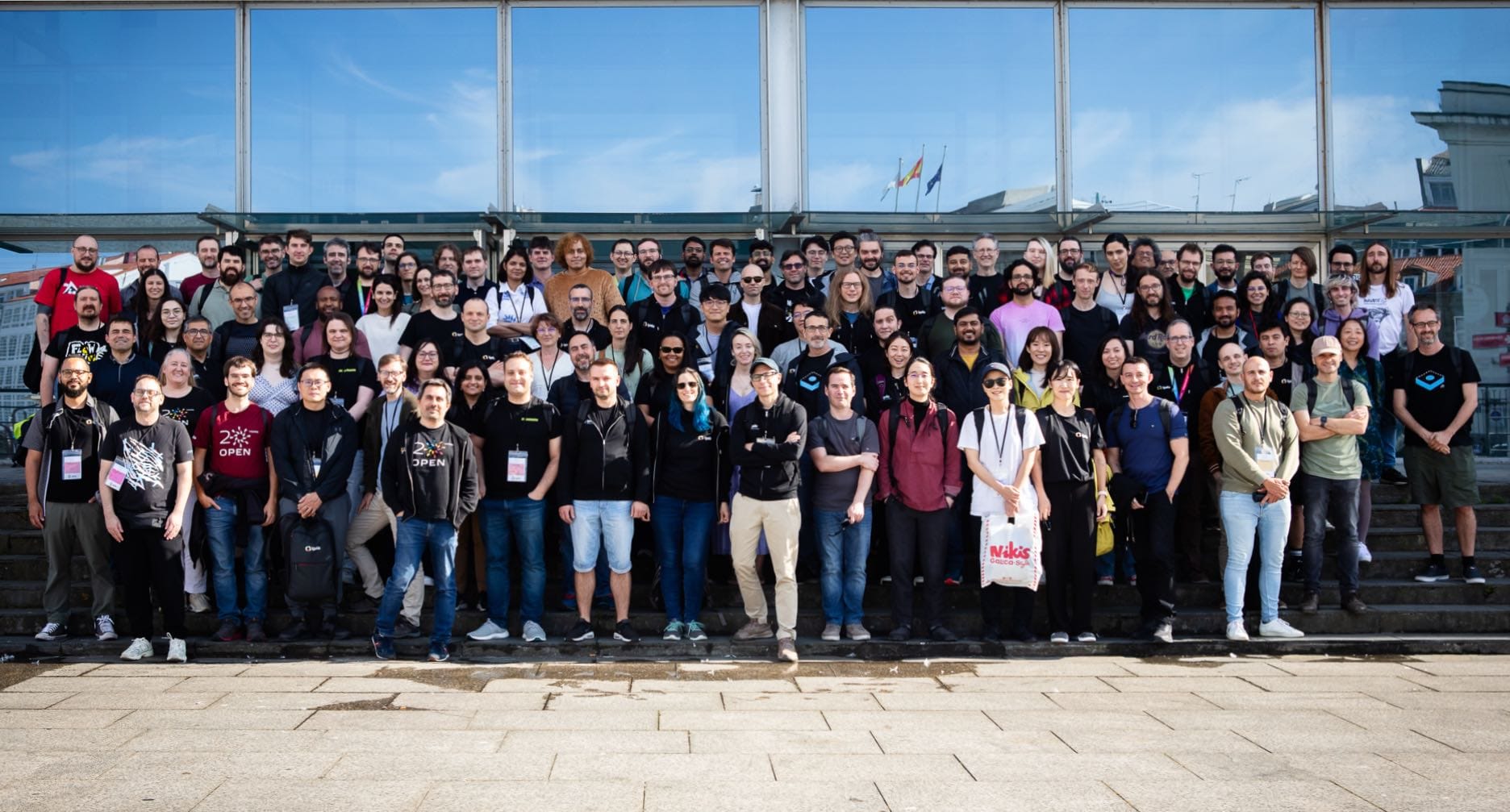
How a 120-person co-op sets strategy by assembly
120 open-source developers, fully remote, competing for talent against Silicon Valley — and nothing happens without going through a general assembly.
- General Assembly for 120+ members
- Focused threads save meeting time
- Transparent remote cooperative decisions
- Strategic decision archive with context

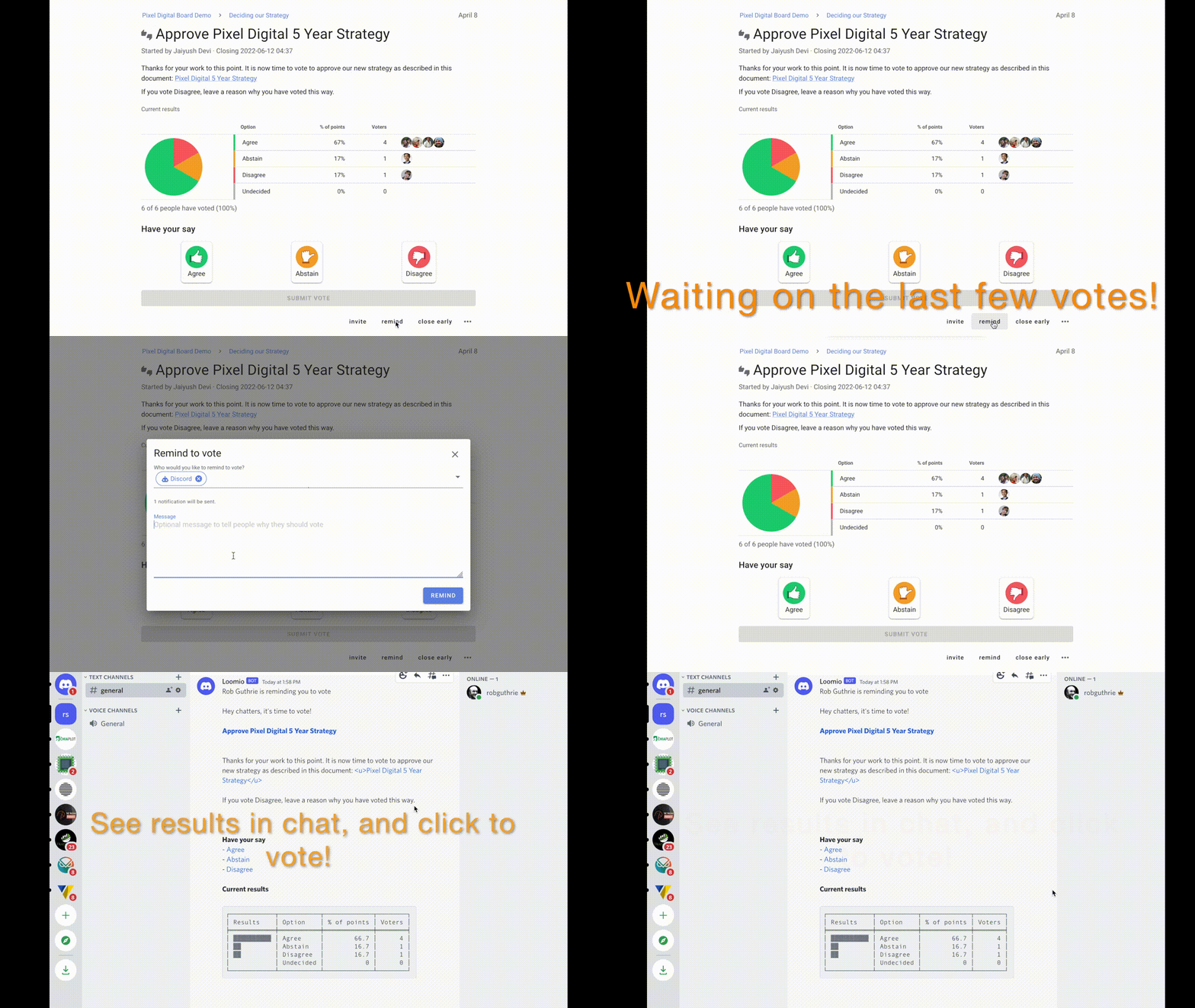
An architecture co-op builds its own governance
A cooperative of architects who design sustainable buildings needed their own governance to be just as thoughtfully constructed.
- Quick approvals outside meetings
- Subgroups focused on relevant projects
- Remote governance document drafting
- Organized proposals, decisions, procedures


A restaurant where 500 founders decide how profits are spent
500 people each invested $1,000 in a restaurant that gives 80% of its profits to community projects — now they all have to agree on where the money goes.
- 500-founder votes without paper ballots
- Exported data for compliance auditing
- Community project funding decisions
- Filing cut from 10,000 to 100 pages
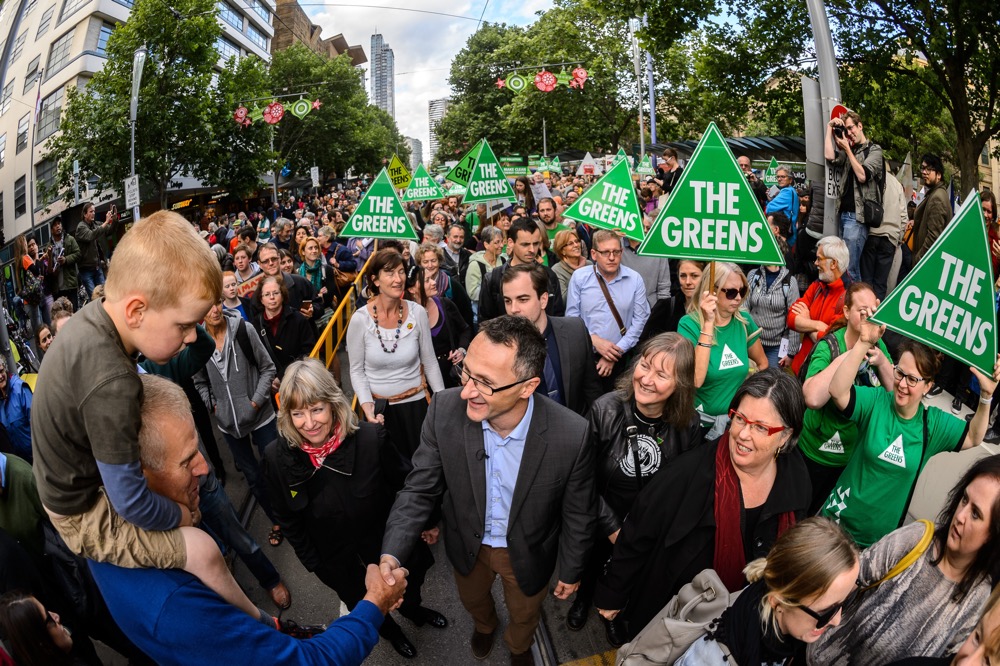
How a political party writes policy across a vast state
A political party stretched across vast Western Australia needed to turn hundreds of voices into unified policy — clause by clause, region by region.
- Policy input from regional groups
- Clause-by-clause policy draft review
- Pre-built consensus shortens meetings
- Iterative amendments until consensus

A refugee buddy project grows across three boroughs
A former refugee who once fled Chile is now pairing newly arriving families with local buddies — and a growing network of volunteers needs to stay coordinated in an increasingly hostile political climate.
- Coordinated buddy-family communication
- Council visibility into community needs
- Daily operational decisions without meetings
- Scaled to three boroughs
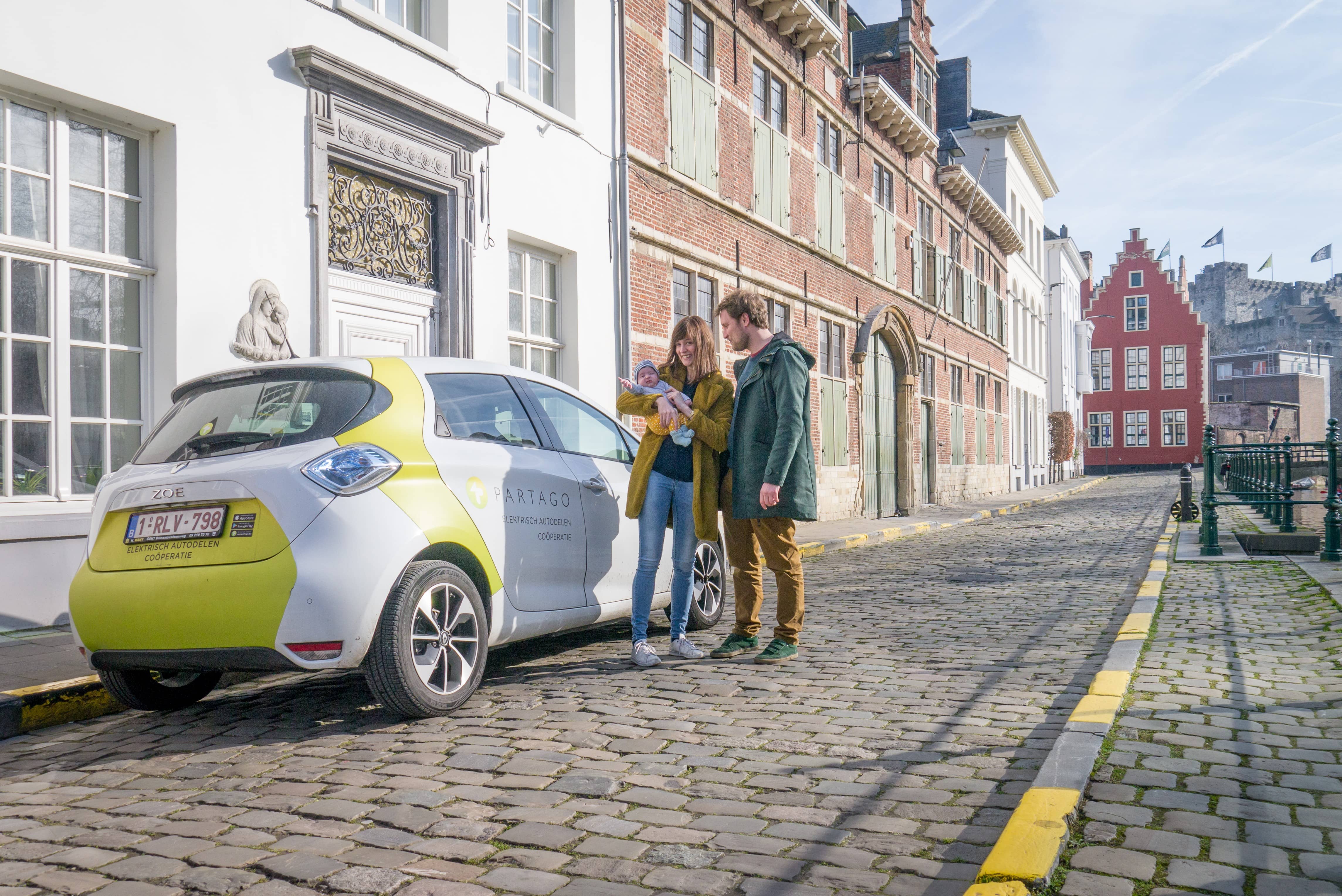
700 co-owners share electric cars across Belgium
700 co-owners, 70 electric cars, 10 cities — and every member gets an equal vote on how the profits are spent.
- Member votes on profit allocation
- Cross-city volunteer coordination
- Every member informed, no email chaos
- Region-specific subgroup discussions
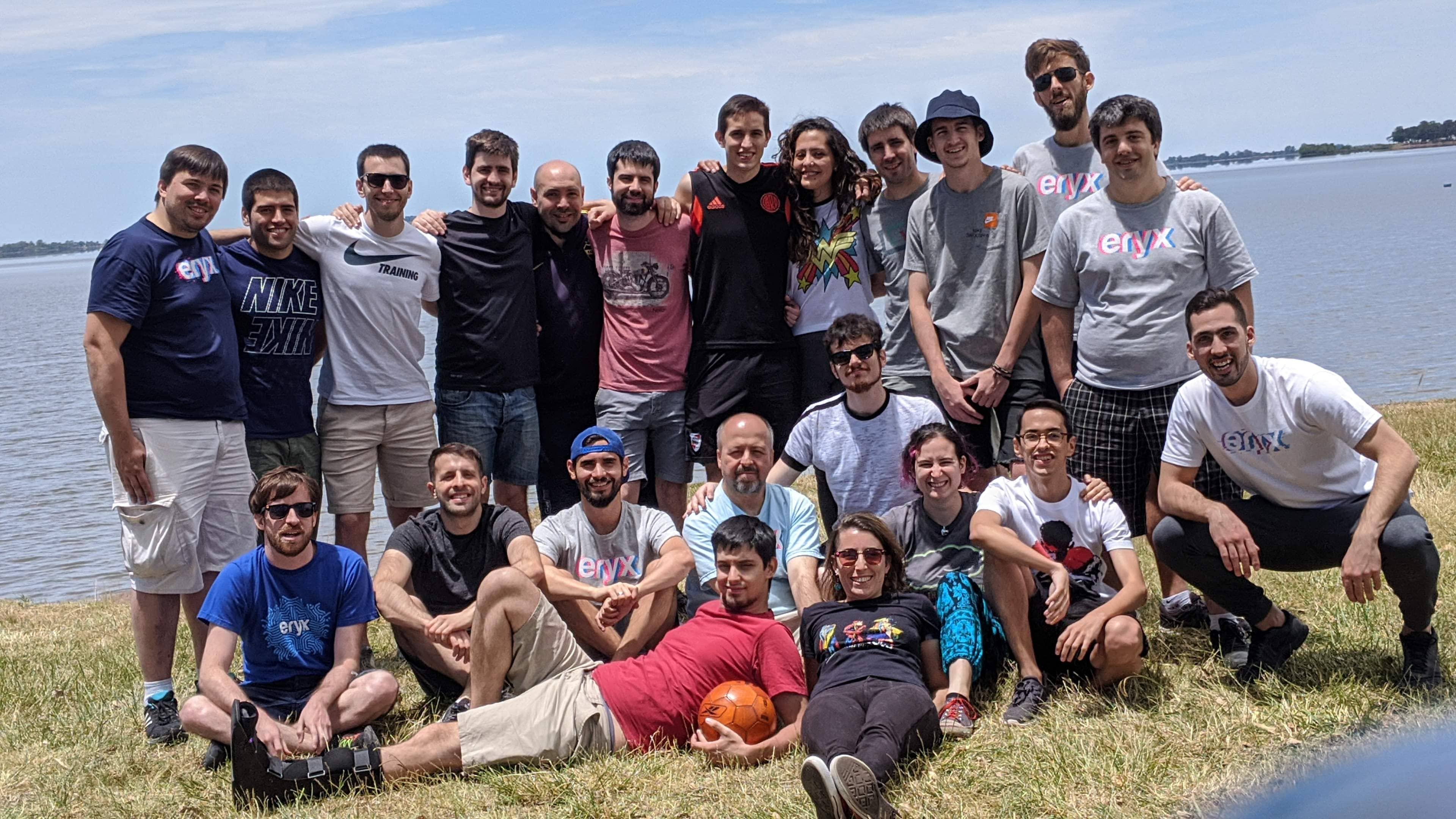
A software co-op where designers and developers earn the same
At this Argentine software cooperative, a designer at step six earns exactly what a developer at step six earns — and every four months the whole team decides who moves up.
- Fair salary scale for all
- Transparent communication at scale
- Equal partner input on decisions
- Discussions leading to clear outcomes

How a 450-person company tore up its hierarchy
Six people read a book about reinventing organizations — and then convinced a 60-year-old company to tear up its hierarchy.
- All decisions proposed, debated, documented
- Tools aligned with self-organization
- Every employee voice heard equally
- Company-wide consent-based decisions
Governing an open-access scientific preprint platform
Scientific papers take years to publish and months to peer-review — so a global team of researchers built a way to share them immediately.
- Async global researcher discussions
- Votes and debates without calls
- Quick onboarding via discussion history
- Discussions, polls, votes in one tool

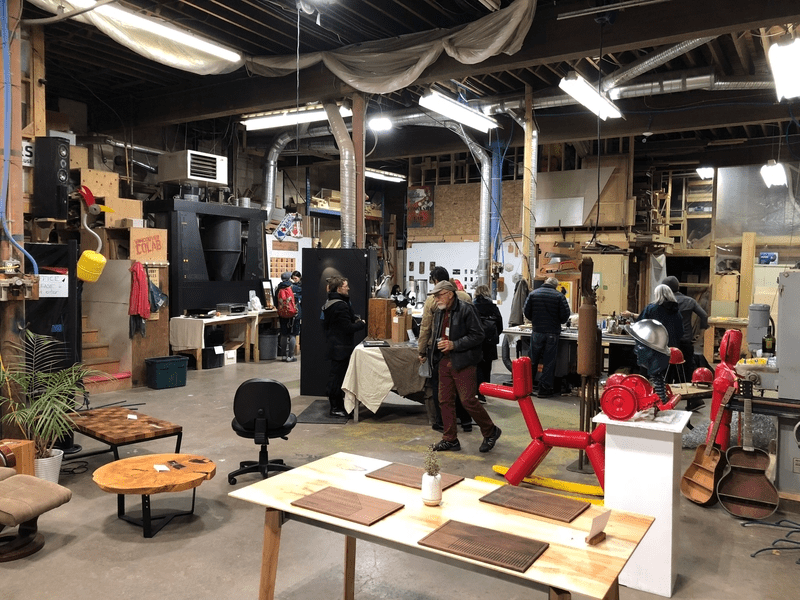
A makerspace ends meeting fatigue and gets back to making
Fifty makers share one workshop — but marathon monthly meetings were killing the energy they came there to use.
- Proposals shaped before meetings
- More time for creative projects
- Decision repository and archive
- Reduced meeting fatigue

28,000 teachers debate strike action and win historic pay rise
850 teaching positions unfilled, a profession in crisis — and 28,000 union members who needed to debate strike action and reject government offers together.
- 28,000 members debating strike action
- Scattered members included via email
- Member-led campaign direction
- Secret ballots informed by open debate
How a zero waste movement coordinates 500 volunteers nationwide
500 active volunteers scattered across France, constant turnover, and over 2,000 events to coordinate — the movement can't afford to lose its institutional memory.
- Coordinated campaigns across local groups
- New volunteers catch up fast
- Structured info for 2,000+ events
- Consistent messaging despite turnover


Sixty people draft a cooperative charter for the earth
Sixty people scattered across the United States spent ten months turning passionate disagreements into a 40-page cooperative charter for protecting the earth.
- Collaborative charter drafted over months
- Subgroups for specialist teams
- Clear communication replacing chaos
- Distributed members aligned continuously
Building a community-owned brewery from the ground up
A group of friends in Burlington want to open the city's first community-owned brewery — but first they have to make democratic decisions with investors who range from casual supporters to hands-on operators.
- Single hub for all decisions
- Anonymous investment willingness votes
- Democratic decisions, high and low stakes
- Distributed coordination rebuilds momentum


Measuring every country's human rights performance
How do you measure something as vast as a country's human rights performance — and get diverse experts worldwide to agree on the method?
- Global human rights expert consultation
- Group decisions beyond email limits
- Global team updated centrally
- Strategic polling on key decisions
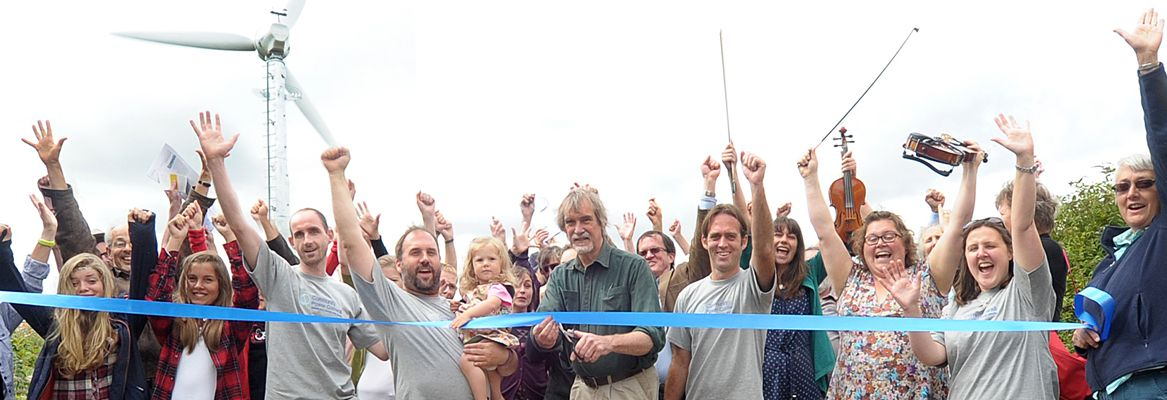
A community lender powers grassroots renewable energy
A small lending society in Cornwall funds grassroots renewable energy projects — but reviewing each loan used to eat up entire meetings.
- Online loan assessment saves hours
- Transparent multi-stage involvement
- Assessment records for easy audit
- Timely community energy funding
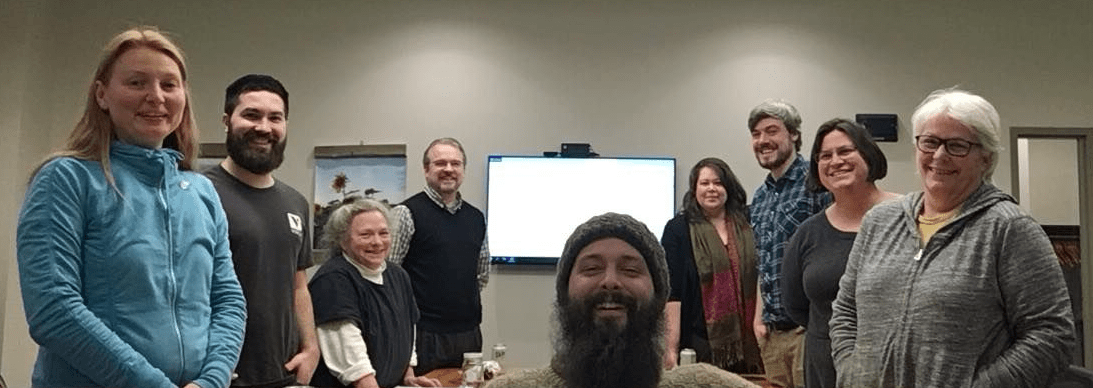
An investment club pools money for local co-ops
Twenty people pool their money every month to invest in local co-ops — but going around the circle to allocate funds used to take an hour.
- Democratic fund allocation via dot voting
- Equal participation despite distance
- Faster decisions than in-person rounds
- Accessible for new investors
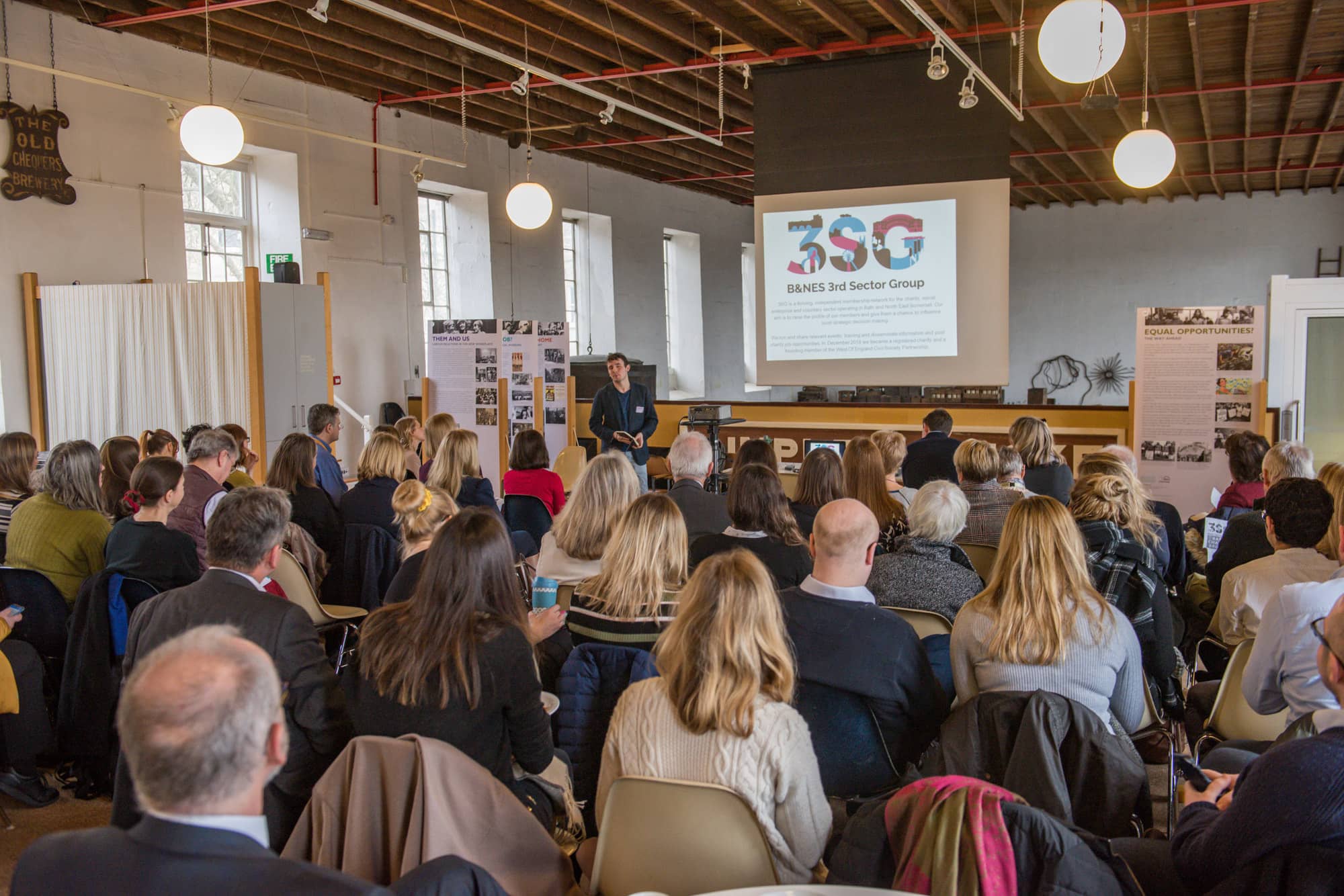
200 charities coordinate without a building or budget
When Bath lost its charity support agency, a handful of volunteers built one from scratch — no building, no budget, no government backing.
- Volunteers never miss key decisions
- Majority voice surfaced via polls
- Structured threads replace email chains
- Conversation summaries save reading time
A co-op that teaches other co-ops democracy
A workers' co-op that teaches other co-ops how to be democratic had to figure out how to practice what it preached — with a team scattered across the UK.
- Continuous governance without extra meetings
- Conversations driven to clear outcomes
- Thousands saved on meeting costs
- Faster responses, greater agility


A benefit corporation puts salary transparency to a vote
When a software company put salary transparency to an anonymous vote, the CEO had reservations — but the team was unanimous, and it exposed a pay gap they could finally fix.
- Month-long decisions now take weeks
- Safe voicing of all opinions
- Stakeholders in the design process
- Remote discussions reaching clear outcomes
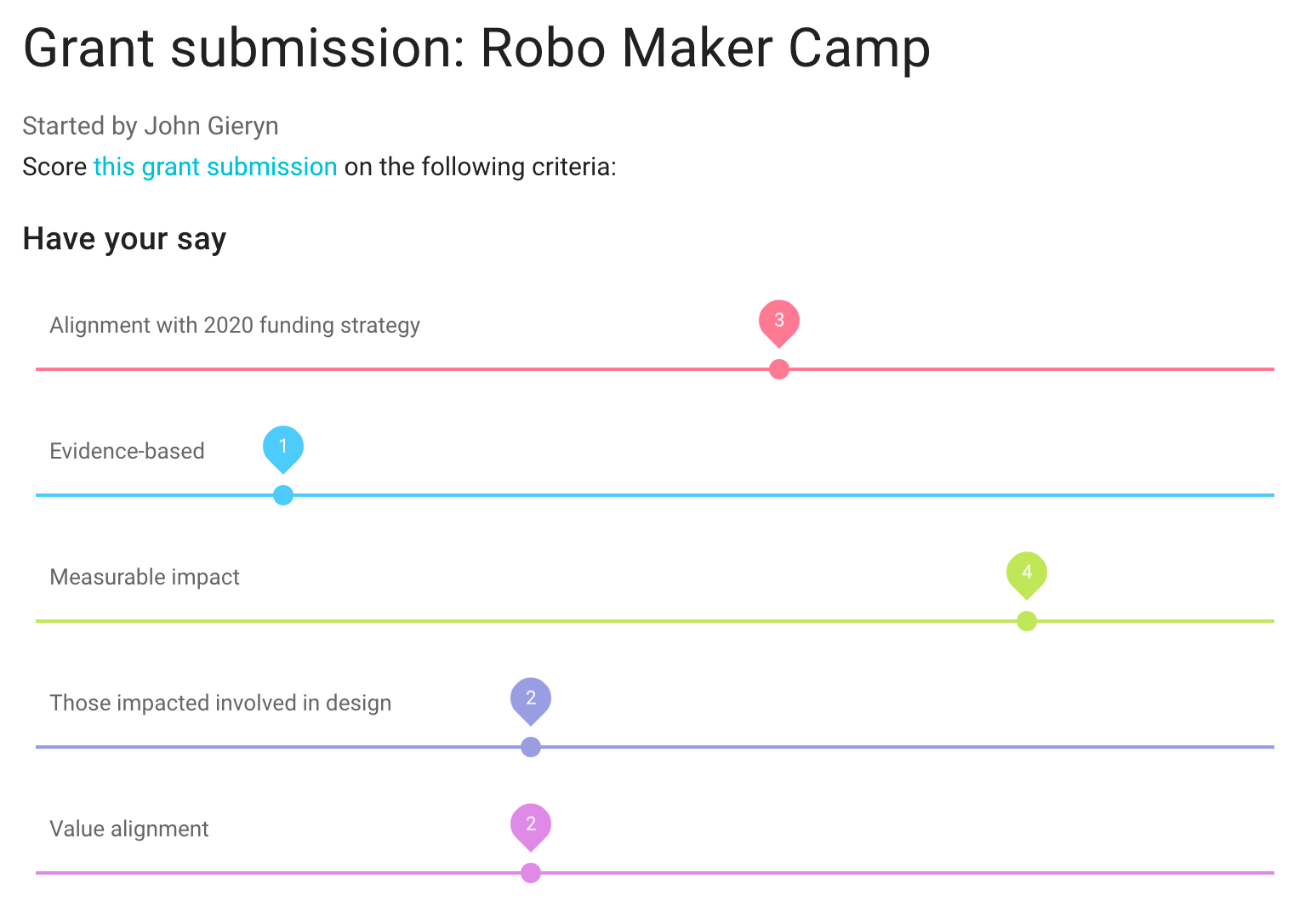

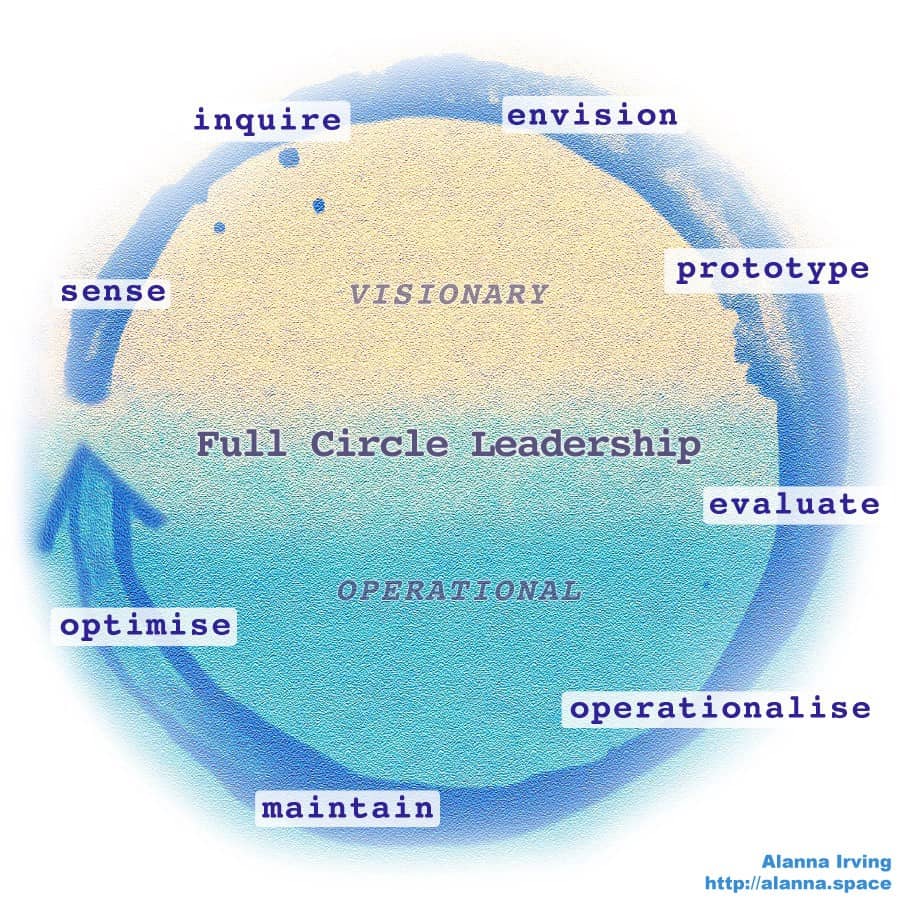
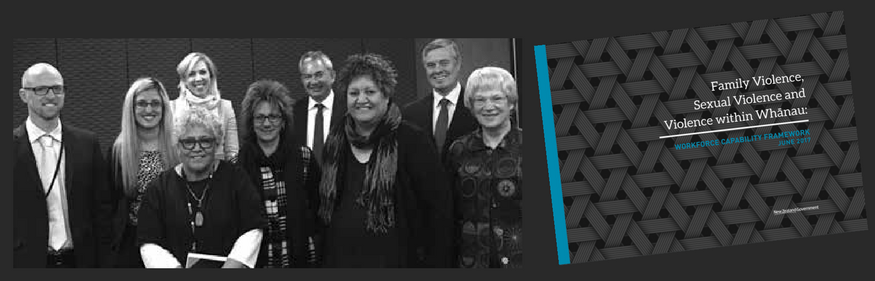
Cross-government initiative consults nationwide on sensitive policy framework
A national workforce capability framework on family and sexual violence was shaped through careful online consultation that drew meaningful, detailed feedback from across the sector.
- Closed nationwide sensitive-topic consultation
- Meaningful multi-sector feedback
- Clear process driving engagement
- Organized threads meeting government deadlines
Distributed cooperative replaces scattered comms with decisions that lead to action
A globally distributed space industry cooperative found that Loomio replaced scattered Slack and email threads with focused discussions that actually produce outcomes.
- Efficient virtual distributed operations
- Focused discussions replace scattered comms
- Collaborative funding decisions
- Cooperative-aligned governance learning


UNICEF and Les Mills use Loomio to coordinate global fundraising campaign
- Cross-org teams across time zones
- Multi-timezone meeting coordination
- Decisions and actions in one place
- Secure confidential document sharing
Citizens organize across a country in crisis
In the middle of a political crisis, a distributed network of Venezuelan citizens needed new tools to organize — fast, safely, and from wherever they were.
- Distributed citizen network coordination
- Tools for activism and participation
- Decisions via polls and checks
- Effective distributed communication




Web design co-op cuts meetings from hours to 30 minutes
A five-person web design cooperative stopped dreading their governance meetings by moving discussions and voting online.
- Meetings cut to 30 minutes
- Focused pre-meeting discussions
- Structured research for key decisions
- Protected governance and culture time
Consultant creates safe spaces for voices that go unheard
A strategic planning consultant who spent 21 years in foster care now uses online collaboration to ensure every stakeholder is heard.
- Voice for the meeting-silent
- Engage on stakeholders' schedules
- Richer dialogue with attached materials
- Safe, inclusive stakeholder space

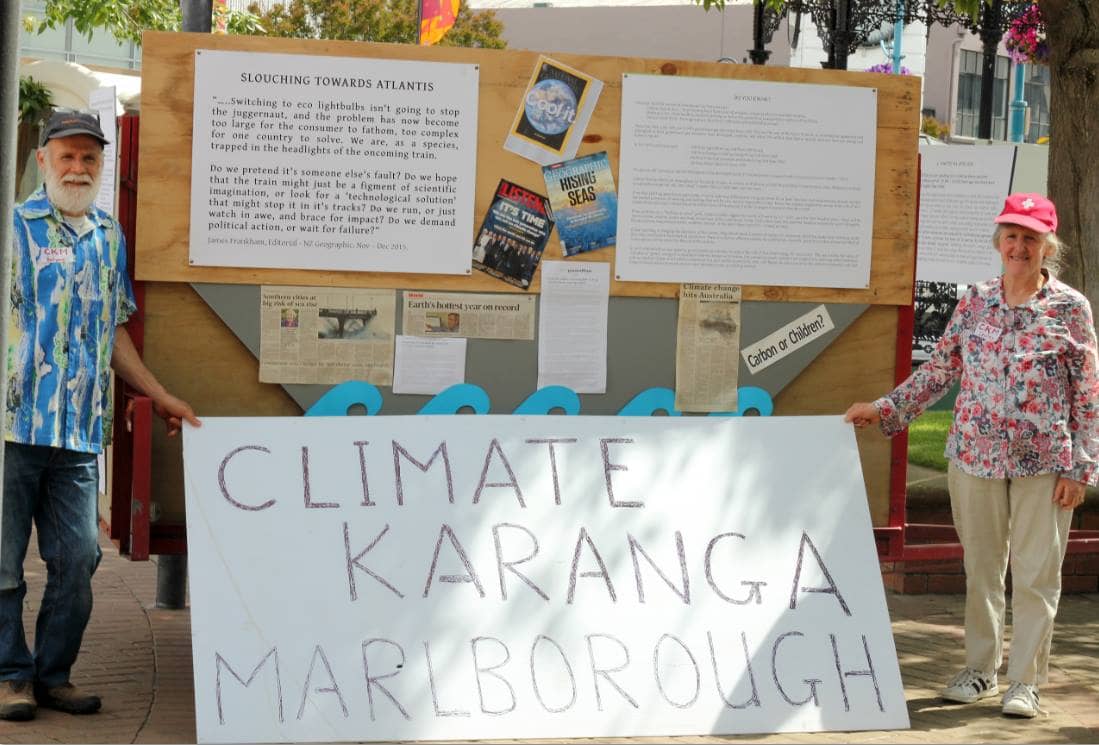
A climate action group prototypes ideas between meetings
A climate action group in a small New Zealand town couldn't wait a month between meetings to act on new ideas — so they started prototyping between sessions.
- Rapid prototyping between meetings
- Consensus without in-person meetings
- Every voice heard, meeting-free
- Faster idea-to-action cycle

Statistics New Zealand use Loomio for citizen engagement
- Reach beyond town hall meetings
- Engage marginalized populations and youth
- Facilitated public policy discussions
- Engagement analytics and reporting
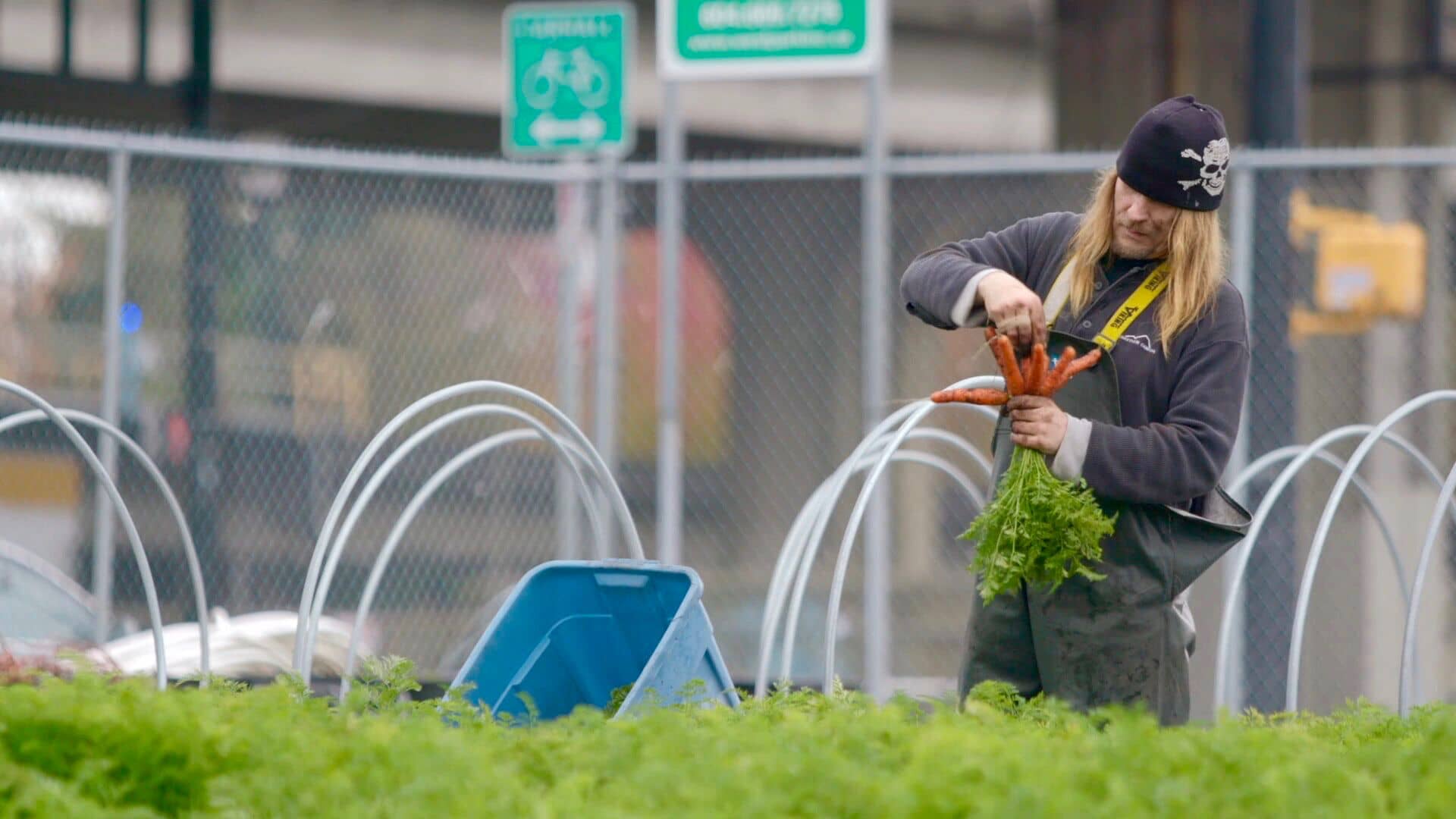

Conscious consumers use Loomio for good governance
- Multi-week deliberation on key issues
- Full reasoning behind every decision
- Confident, informed agreement
- Effective board communication

A multi-stakeholder network runs a general meeting that never adjourns
A network of cooperative researchers across five countries can never all meet face to face — so they run a general meeting that never adjourns.
- Online governance with nested subgroups
- Continuous general meeting online
- Unheard voices participating effectively
- Cross-language research collaboration
Career university unlocks faculty brilliance beyond the conference room
A 75-year-old tech university discovered that its smartest people do their best thinking outside of meetings.
- Ideas from meeting-shy contributors
- Equal voice for introverts
- Faster resolution under tight deadlines
- Written decisions save editorial time

Bilingual worker co-op bridges language barriers online
A nine-member dog walking cooperative in New York uses translation and photo sharing to collaborate across English and Spanish.
- Continuous between-meeting discussion
- Auto-translation bridges language barriers
- Visual communication via photos
- Decisions on branding and operations
SolidFund: Growing the UK cooperative economy
- Iron out issues before voting
- Participative cooperative decision records
- Fewer in-person meetings needed
- Informed funding through structured discussion




National legislature deepens citizen engagement between sessions
A Welsh parliamentary committee turned a one-off citizen meeting into an ongoing dialogue that made both sessions more productive.
- Extended discussion between sessions
- Two-way citizen-policymaker dialogue
- Bilingual Welsh-English content
- Online agreement before meetings

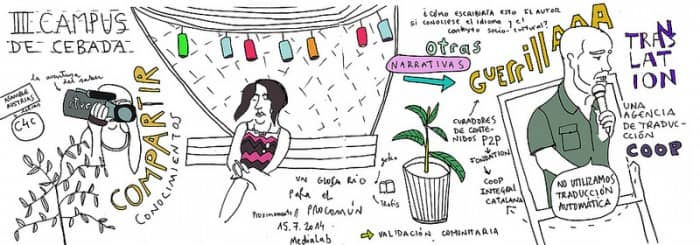
A commons-oriented collective reinvents international publishing
A commons-oriented translation collective coordinates publishers in four countries to print the same book locally — without any of the restrictions of the traditional publishing world.
- Searchable archive replaces email
- International network coordinated centrally
- Archived licensing and budget decisions
- Full collaboration beyond decisions
Government agency runs transparent open source policy consultation
A national government agency replaced the traditional submissions process with open online dialogue, engaging senior IT leaders who would never have participated otherwise.
- Open, transparent policy consultation
- Two-way consensus-building conversations
- Engage hard-to-reach professionals
- Transparent policy document revision

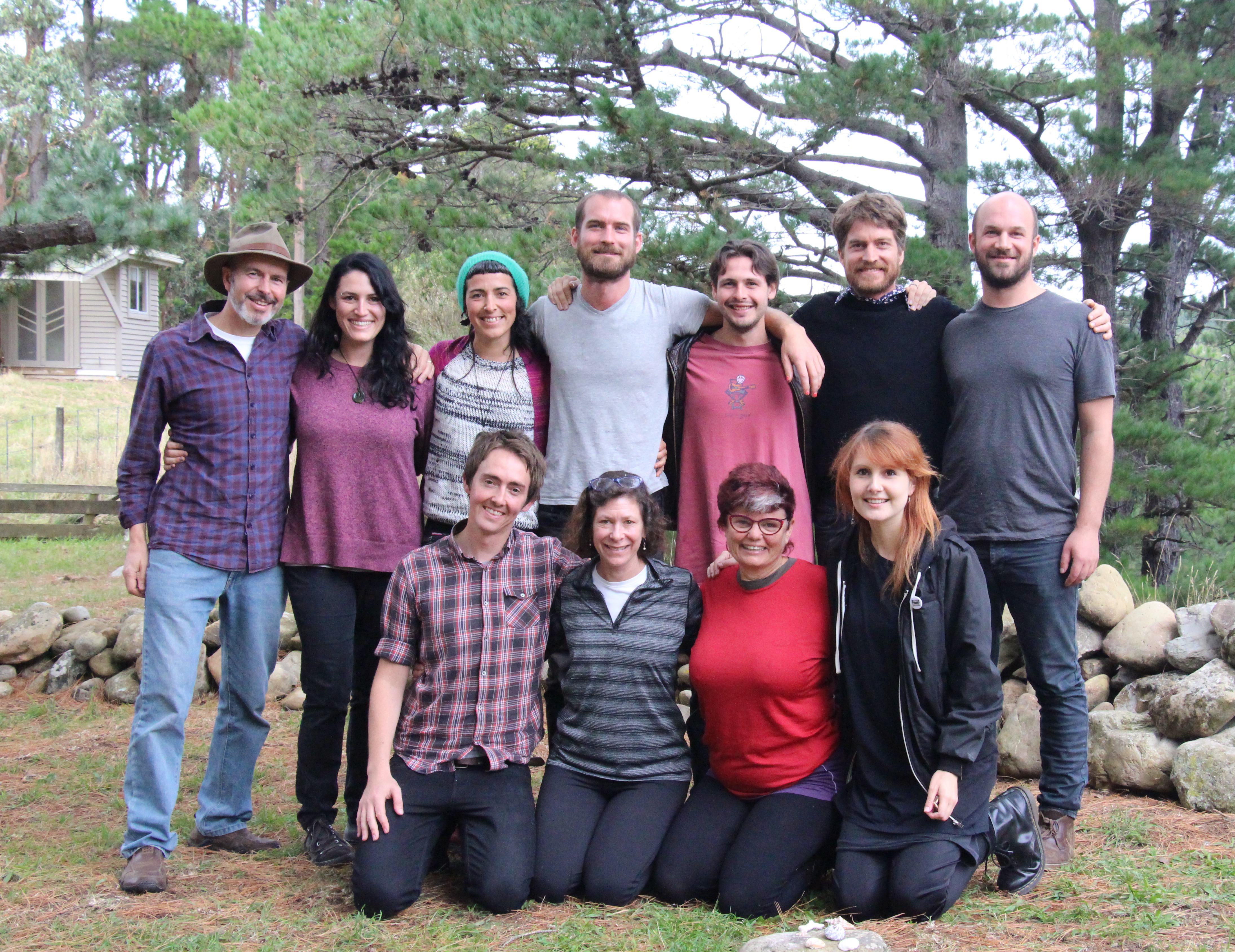




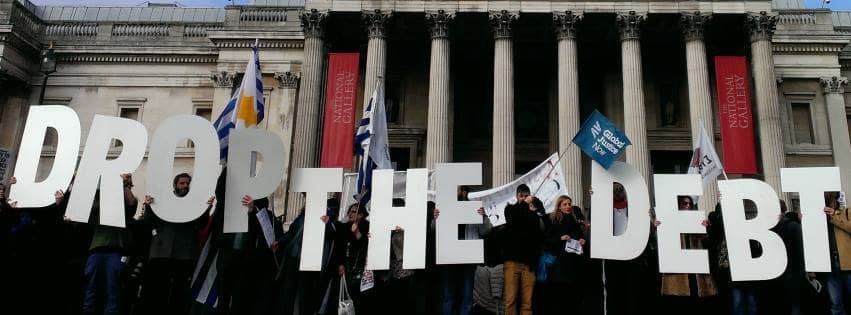
Activist group keeps decisions moving between fortnightly meetings
A citizen activism group stopped losing decisions to email threads and started resolving them between meetings with clear deadlines and modifiable proposals.
- Between-meeting decisions email can't handle
- Clear deadlines for input
- Agenda items moved off meetings
- Proposals refined before final votes


A coworking space governed by its community
A coworking space in Lille discovered that engaging with disagreement — not just counting votes — unlocks better decisions and deeper shared understanding.
- Policy changes in minutes, not months
- Creative solutions surfaced through disagreement
- Commons governance without central authority
- Thoughtful decisions with time to reflect
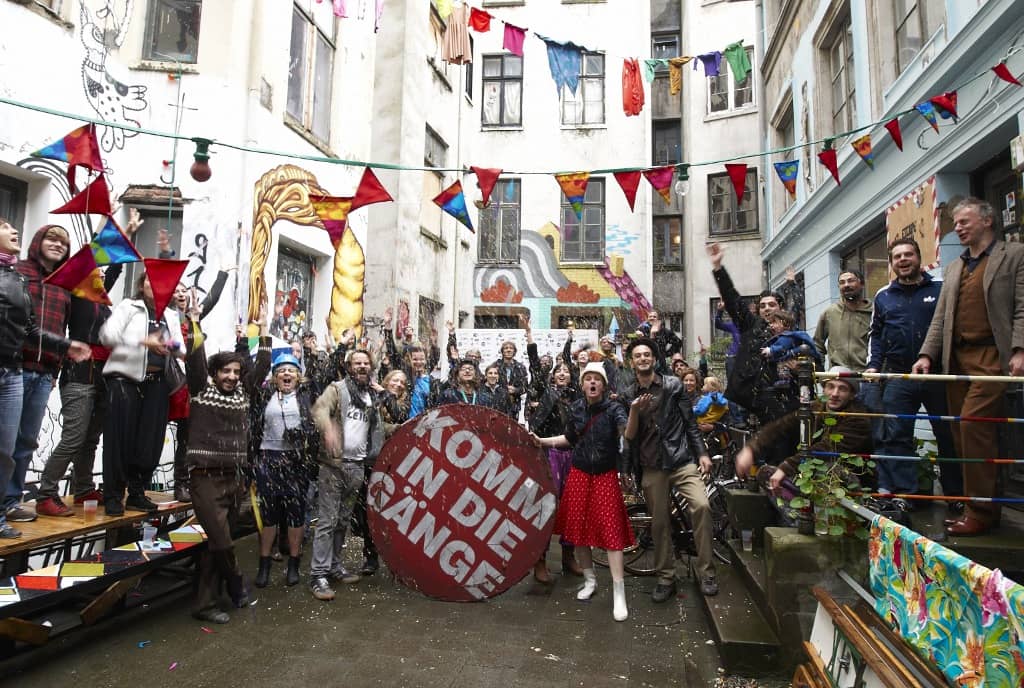
200 artists, 12 buildings, 1 community: Gängeviertel collective
- Equal say for 200 people
- Pre-assembly discussion preparation
- Complex decisions resolved faster
- Organized discussion replaces email lists
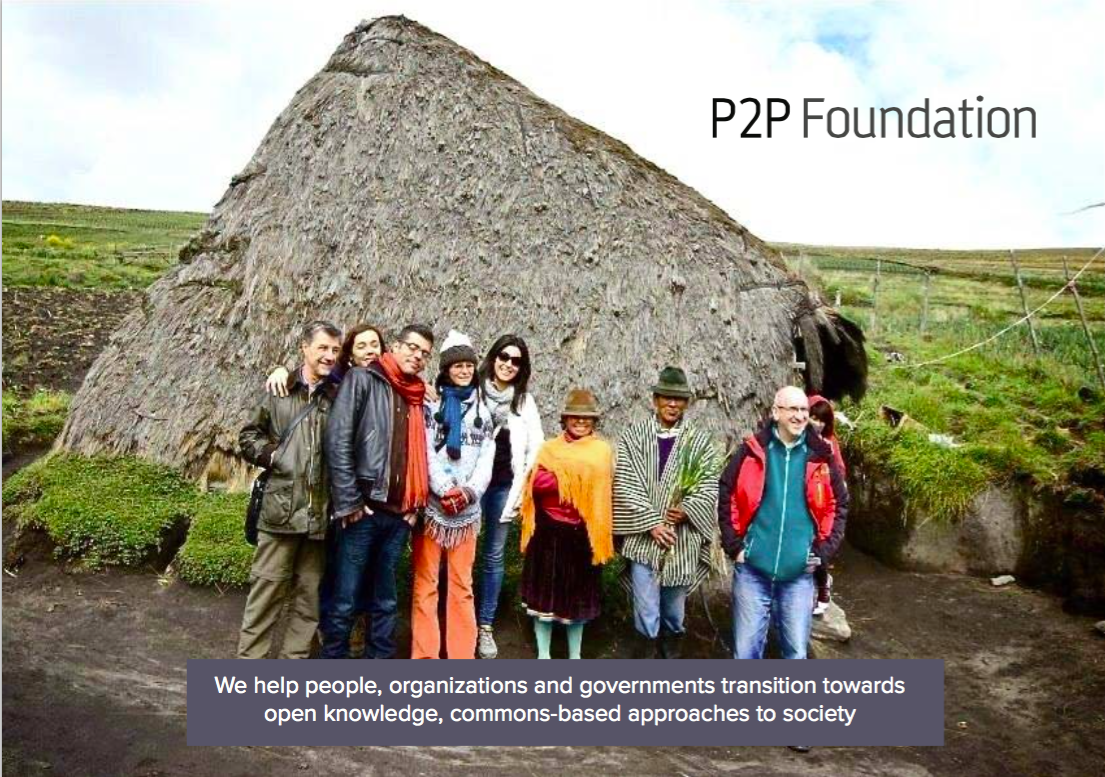
How the P2P foundation does high-level coordination
A global network of open-source researchers could collaborate on wikis and blogs all day — but when it came to collective decisions, they kept going in circles.
- Clear, legitimate decisions faster
- Community-mandated delegation
- Discussion meets structured decisions
- Non-hierarchical without chaos


A co-living hotel run by its guests
A co-living hotel in San Francisco's Haight-Ashbury uses collaborative decision-making to run a dynamic community of residents, guests, and neighbors.
- Community decisions without meetings
- Living archive of every decision
- Surfaced tensions, aligned incentives
- Online discussion improves offline collaboration

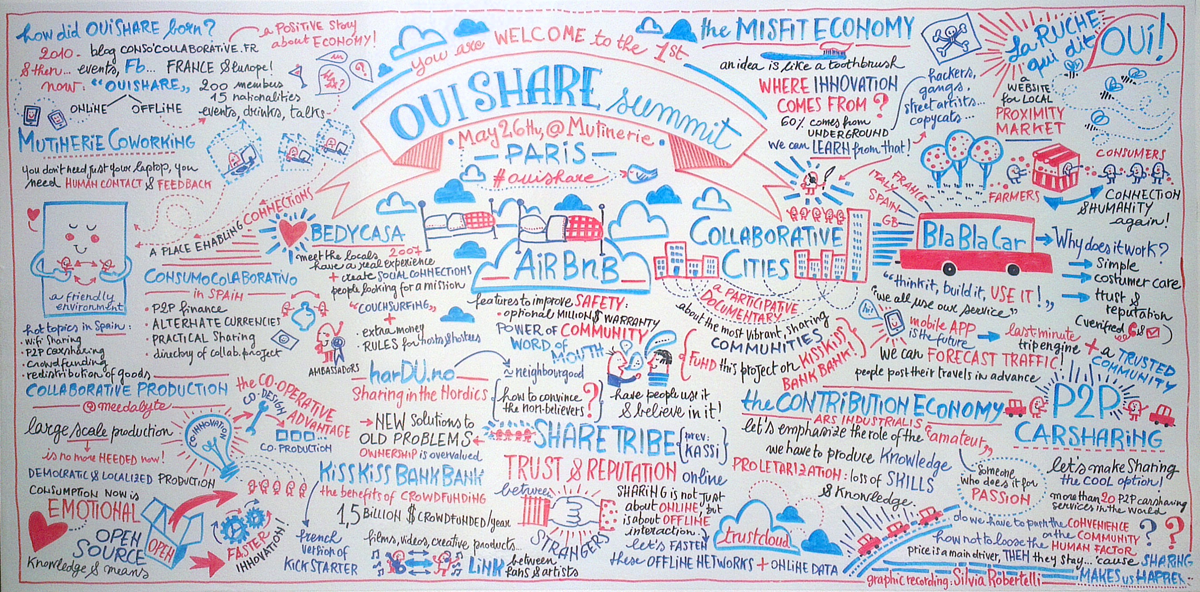
Scaling a shared vision across countries
An international collective moved from Facebook and email to real decision-making — and members who had gone quiet suddenly started contributing again.
- Real decisions between international summits
- Re-engaged inactive members
- Clear audit trail for every decision
- Onboarding via discussion history
Digital nomad co-op makes decisions across time zones
Five constantly travelling social media consultants found a way to make real decisions together without ever being in the same room.
- Async decisions across a nomadic team
- Thoughtful choices with objective distance
- Routine decisions without meetings
- Richer meetings via pre-discussion

How the COY11 global youth coalition self-organised to make an impact at COP21
- Event logistics without huge meetings
- Searchable discussion history
- Collaborative design iteration
- Async contributions from busy volunteers
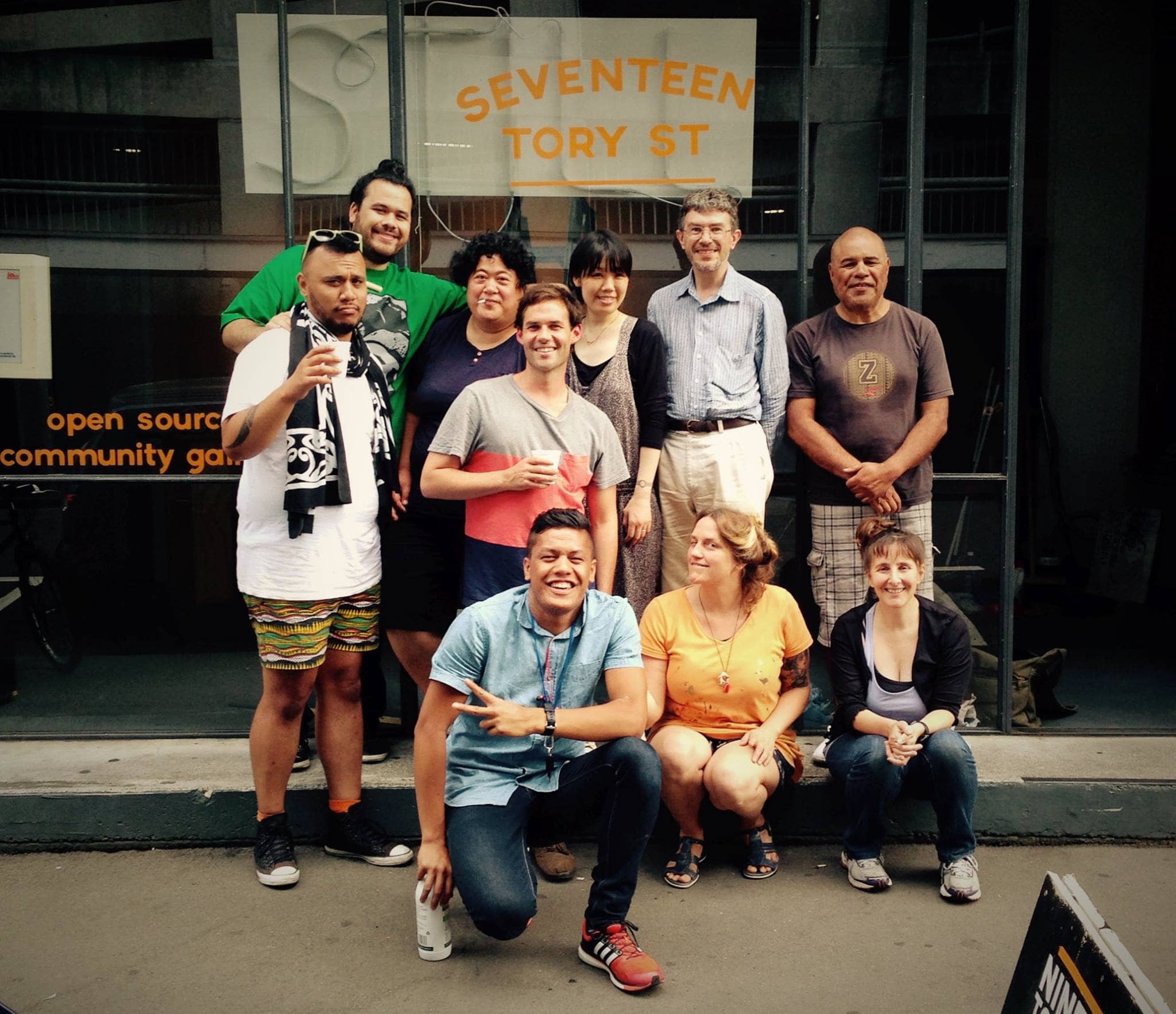




Turning a conference into a movement with Loomio
- Pre-summit participant engagement online
- Cross-silo understanding before meeting
- Sustained collaboration post-conference
- Surface unspoken issues through dialogue






When Hungarian students organized, the government backed down
When Hungary's government proposed education cuts, student activists didn't just protest — they translated Loomio into Hungarian and organized a nationwide democratic movement that forced the government to back down.
- Nationwide university deliberation
- Student-teacher-academic coordination
- Transparent decisions withstanding media scrutiny
- Reversed government education cuts






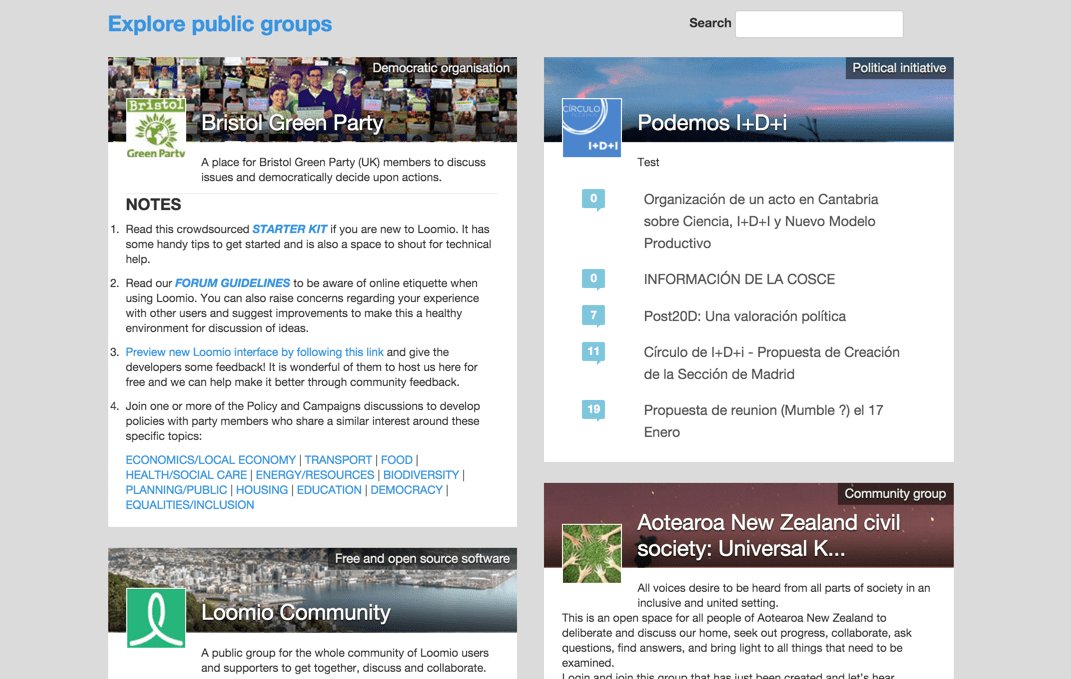



Democracy coalition launches 461 citizen groups across a nation
A coalition of direct democracy groups launched hundreds of local decision-making groups covering every region of Greece, turning online discussion into pressure for real political change.
- Nationwide citizen political participation
- Accessible to non-technical citizens
- Transparent voting with participation tracking
- Collective pressure on local officials





Nation-changing decision-makers: Generation Zero
- Strategic decisions with 60 members
- Subgroups for multi-level conversations
- Campaign idea testing and feedback
- Proposals refined by group input



Wellington city council uses Loomio!
- Diverse input beyond town halls
- Cross-community stakeholder dialogue
- Proposals drive conversation to resolution
- Specialists invited when expertise needed

A lending trust makes loan decisions without meeting
Five busy trustees scattered across the city needed to approve loans fast — but couldn't get in the same room. They haven't needed to since.
- Loan approvals without meetings
- Full participation from anywhere
- Complete record of decisions
- $45,000 in loans processed annually